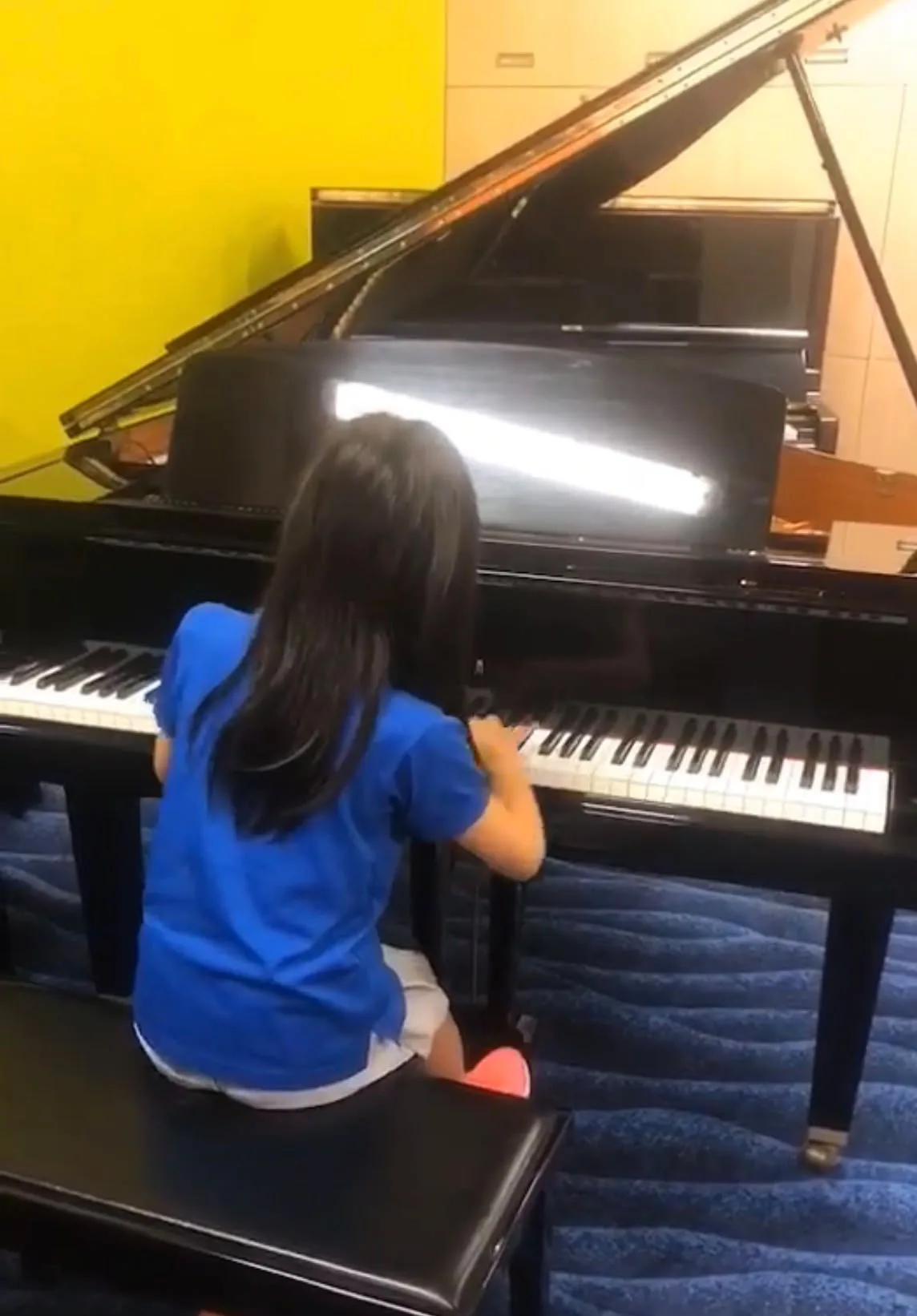
Beginner’s guide · 2 minute read
What a beginner needs
Before buying or renting: what matters in a first instrument, what does not, and what to ask the teacher.
Read the guide →Home/Guides
GuidesShort, practical guides for people buying, renting or keeping a piano in Singapore. Written for the buyer, and specific enough to take along to a viewing.
Each guide stands on its own. Where a point is already set out on the sale, rental or model pages, the guide links there rather than repeating it.
No figures are sent or saved by these tools. The guides also include written explanations without JavaScript.
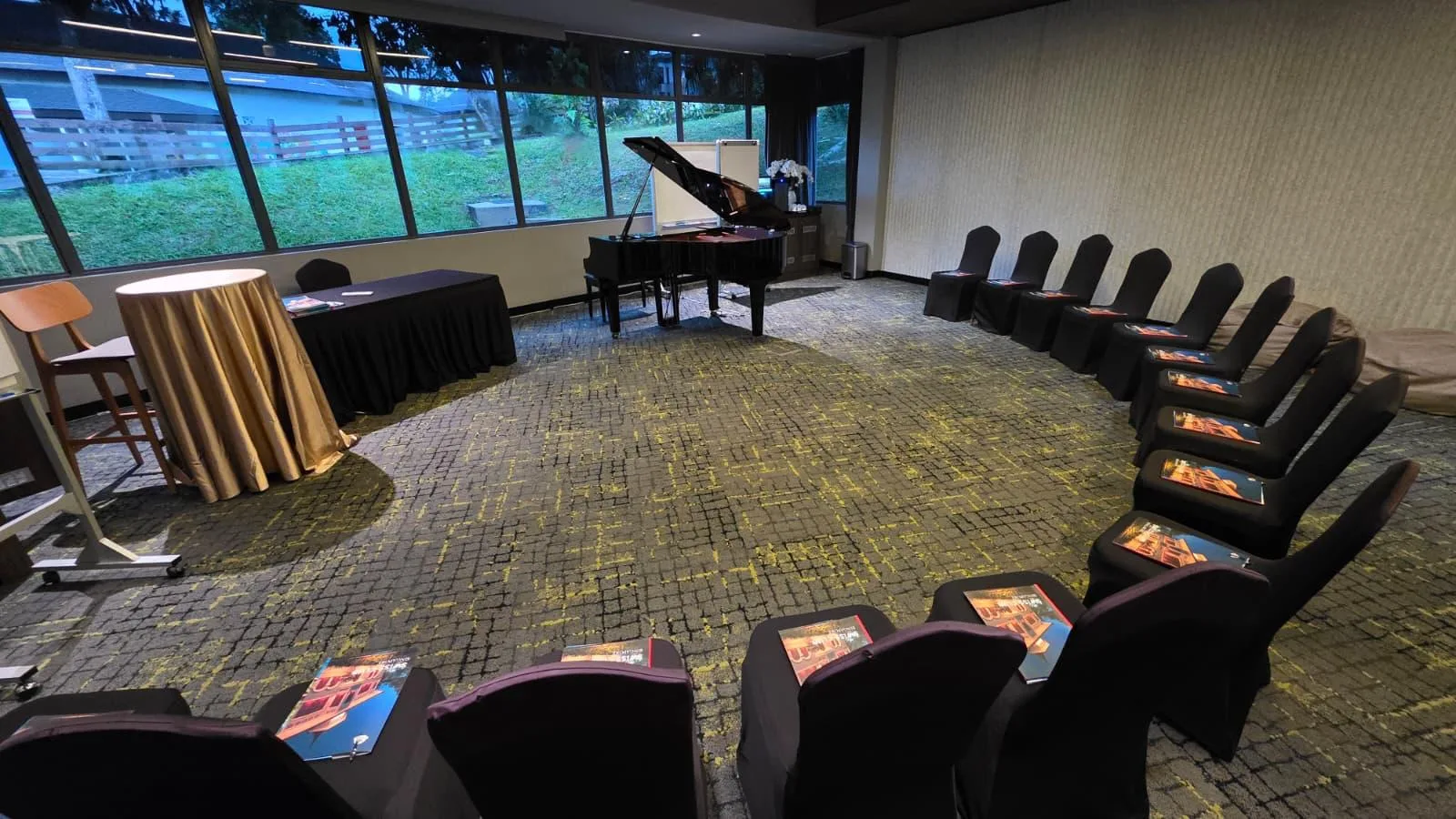
See existing event rental photographs and customer reviews and client references. Historical examples do not establish current inventory.
Beginner’s guide · 2 minute read
Before buying or renting: what matters in a first instrument, what does not, and what to ask the teacher.
Read the guide →Learning guide · 4 minute read
A standard piano has 88 keys. How they are arranged, where middle C is, the repeating pattern of each octave, and what smaller keyboards leave out.
Read the guide →Buying guide · 3 minute read
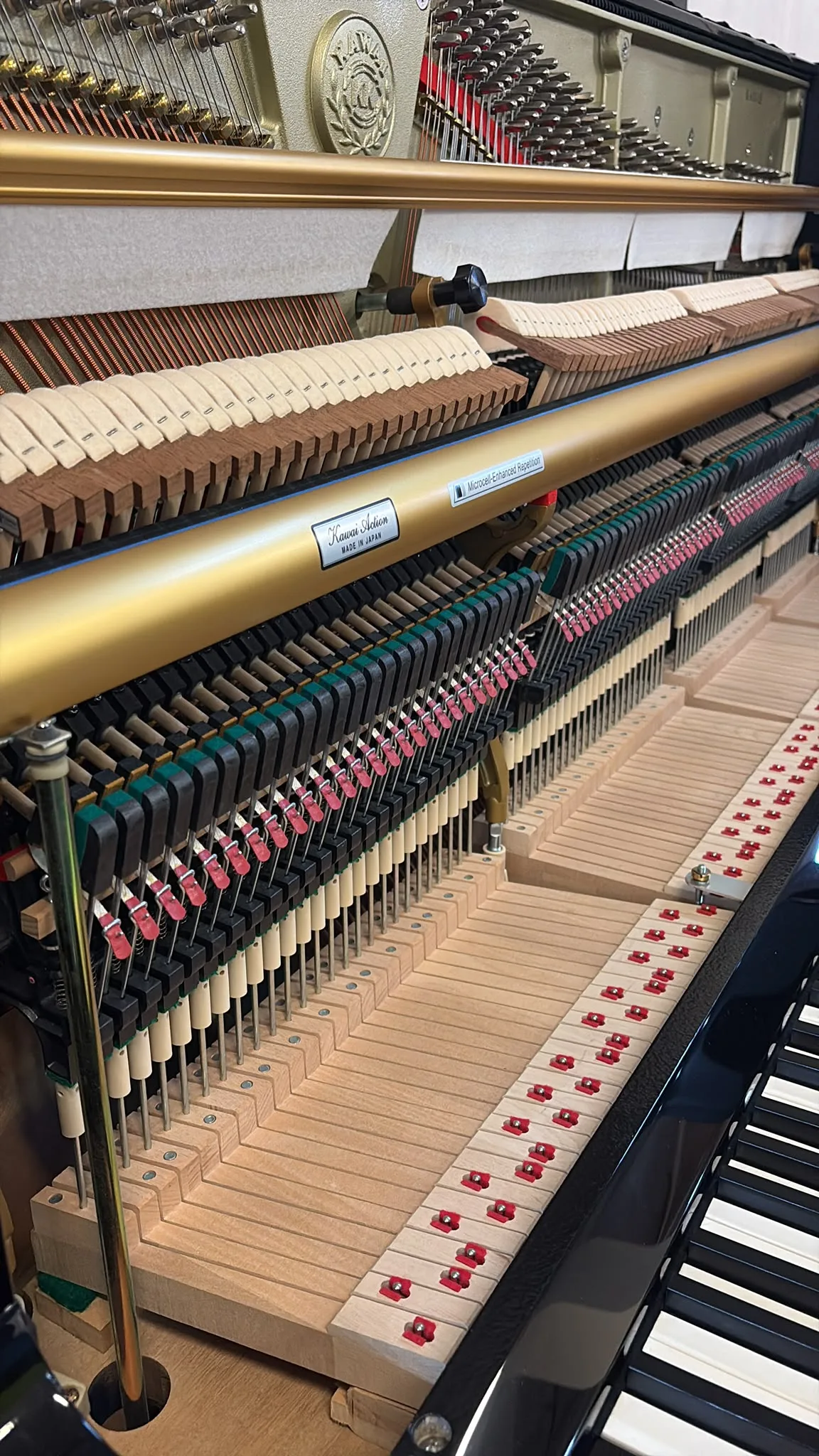
What weighted keys, hammer action, graded action and touch sensitivity mean, how they differ, and what to compare on the instrument itself.
Read the guide →Choosing an instrument · 3 minute read
A practical comparison of acoustic and digital pianos for home practice: touch, sound, maintenance, headphones and room needs.
Read the guide →Choosing for home · 3 minute read
Start with the room and delivery route, compare the actual instruments, then check the complete quotation before choosing.
Read the guide →Buyer’s guide · 4 minute read
What the sustain, soft and middle pedals do, how they differ between uprights and grands, and what to ask at a viewing.
Read the guide →Home setup guide · 2 minute read
Correct seat height, foot support and arm position for a child at the piano, and what to discuss with the teacher.
Read the guide →Practice guide · 4 minute read
The practice pedal, silent systems, digital alternatives and room management: what actually reduces the sound and what to ask before choosing.
Read the guide →Learning guide · 4 minute read
How a silent acoustic piano, a hybrid piano and a digital piano work differently. What to check on a used system and what the labels do not tell you.
Read the guide →Learning guide · 3 minute read
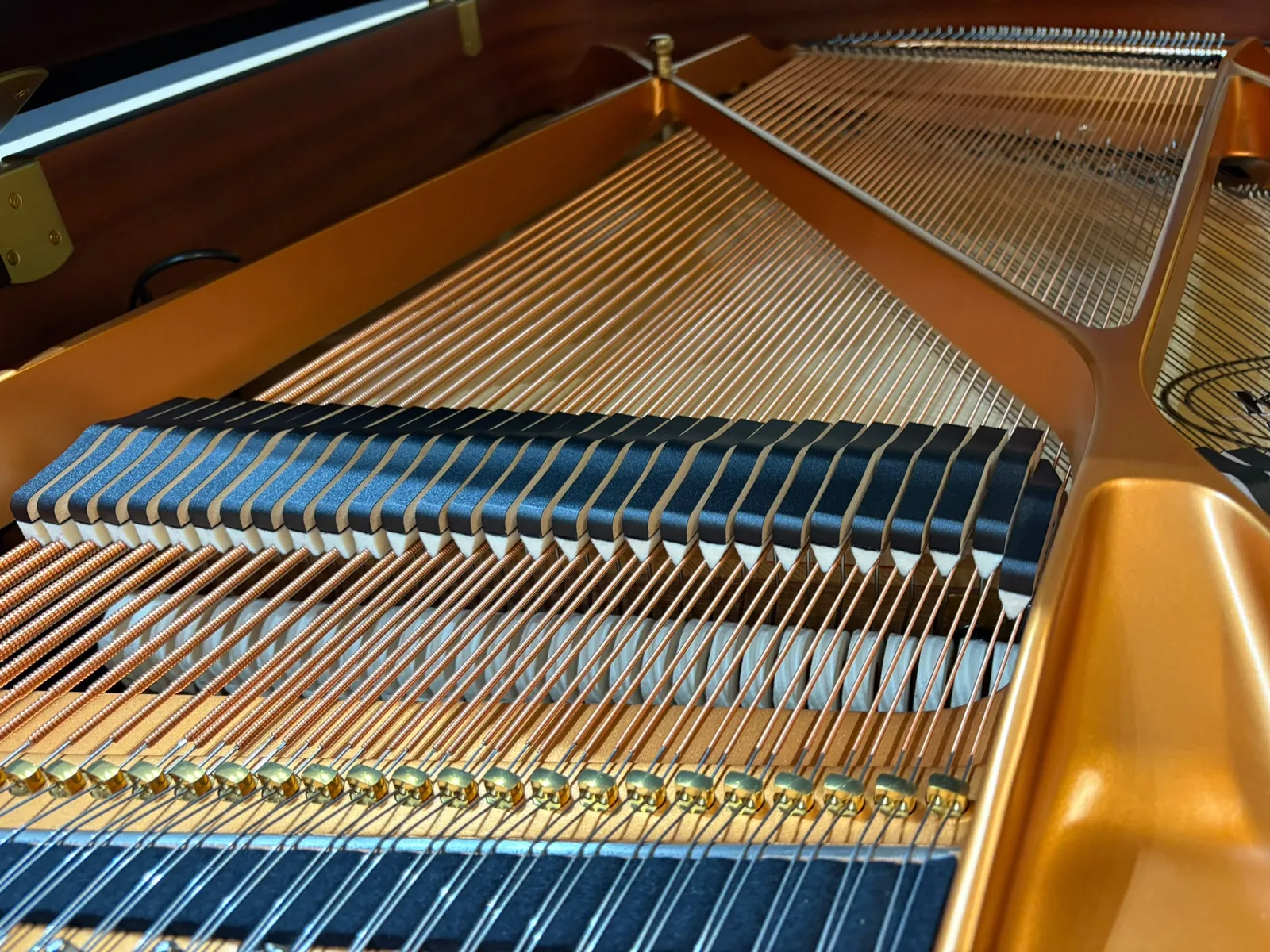
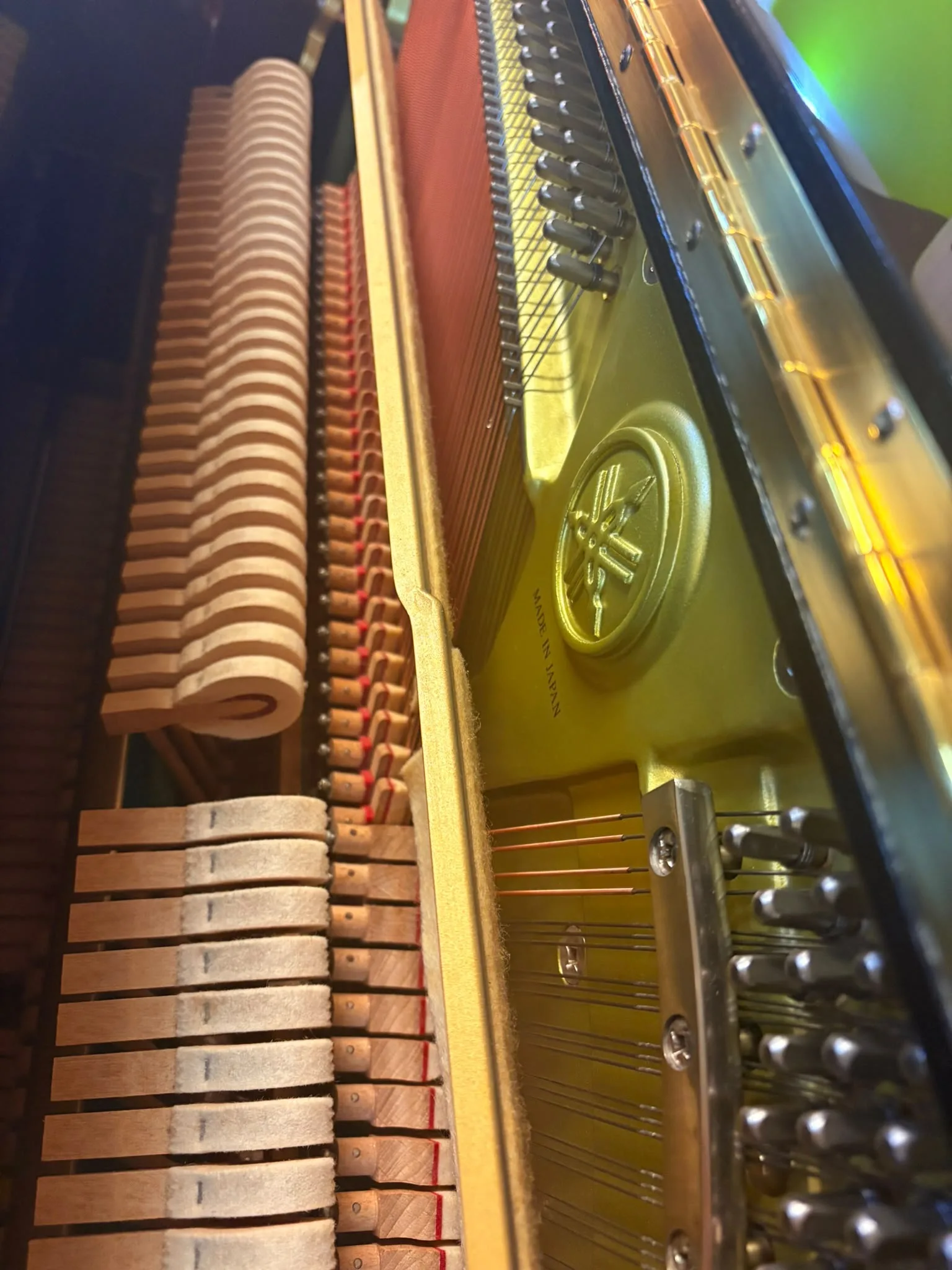
How sound travels from the hammer to the string to the bridge to the soundboard, what the frame does, and what a buyer can observe versus what needs a qualified assessment.
Read the guide →Reference guide · 2 minute read
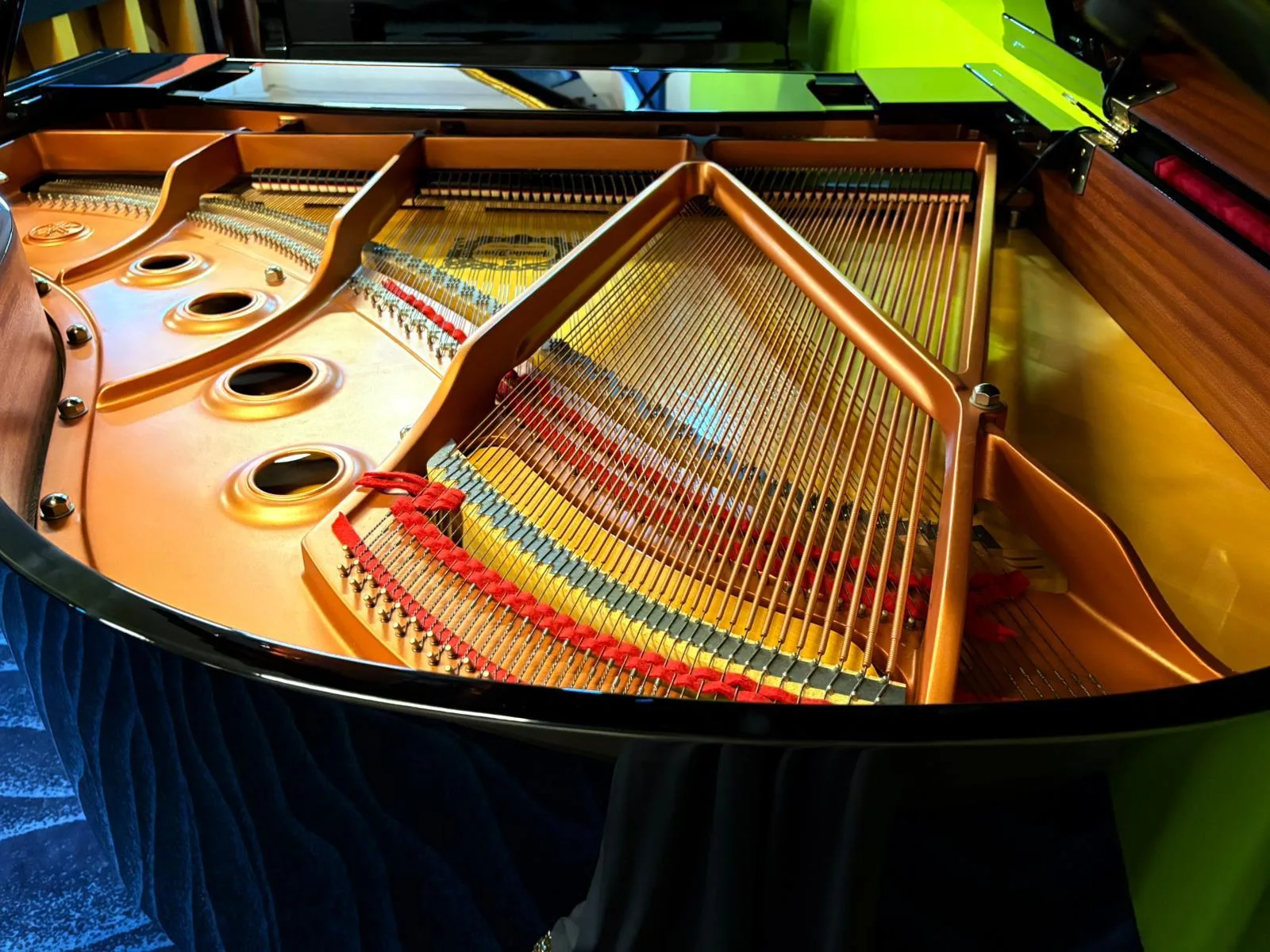
Yamaha describes around 230 strings, depending on the model. How groups change across an acoustic piano, and what the count cannot tell you.
Read the guide →Reference guide · 2 minute read
A key body and its playing surface are different things. Read current maker examples without assuming one material on every piano or identifying ivory from a photo.
Read the guide →Buyer’s guide · 10 minute read
A 45 minute routine for the viewing itself: what to play, what to listen for, what to look at inside, where the serial number is and how to read it, what to ask, what to photograph, and what to plan for delivery.
Read the guide →Pricing guide · 2 minute read
The factors that set a used piano price, the questions to ask, and what the quotation should include, written for buyers rather than dealers.
Read the guide →Buyer’s guide · 1 minute read
How to compare used piano dealers: instrument sourcing, condition assessment, quotation transparency, delivery and after-sale support.
Read the guide →Buyer’s guide · 2 minute read
What the terms original used, reconditioned and rebuilt actually mean when buying a piano, how they differ, and what to ask.
Read the guide →Reference · 2 minute read
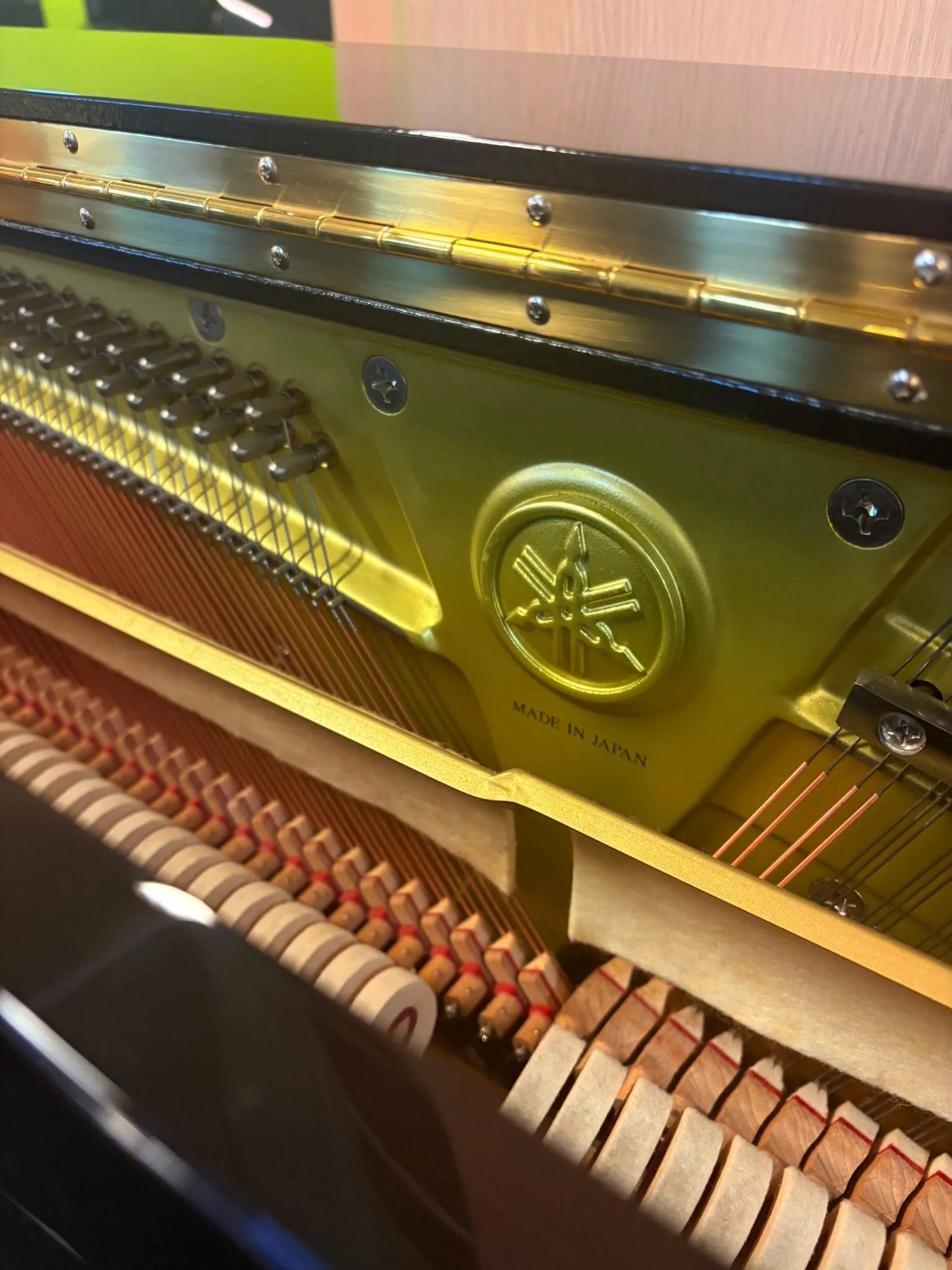
Where to find the serial number on Yamaha, Kawai and other pianos, how to read it, and what it can and cannot tell you.
Read the guide →Buyer's guide · 3 minute read
A practical method for comparing two or more pianos side by side at a viewing gallery: what to play, what to listen for, how to record your impressions, who to bring and a printable worksheet.
Read the guide →Grand piano guide · 3 minute read
What makes a grand assessment different from an upright: room and route measurements, what to ask the seller or technician to demonstrate, and the grand-specific quotation.
Read the guide →Choosing an upright · 4 minute read
Three upright models, one practical comparison: check the exact instrument, try them in the same room, measure access and compare the complete quotation.
Read the guide →Model comparison · 3 minute read
The U1 and U1J are both listed on Yamaha Singapore’s U series page with slightly different dimensions. Here is what to check on the actual piano.
Read the guide →Model comparison · 3 minute read
Both are 131 cm Yamaha uprights. What the manufacturer references distinguish, what they cannot tell you about a used example, and what to compare at a viewing.
Read the guide →Model comparison · 2 minute read
The K-300 is 122 cm, the K-500 is 130 cm. What the manufacturer dimensions show, what the extra height changes in practice, and what to check on the actual used piano.
Read the guide →Reference guide · 2 minute read
Manufacturer height, width, depth and weight for five common uprights. What the numbers mean for room planning and delivery, and what they do not tell you.
Read the guide →Reference guide · 3 minute read
What baby grand means, how grand piano lengths compare, and what the size tells you about the instrument and the room.
Read the guide →Model comparison · 3 minute read
The U1 is from the U Series; the B3 is from the B Series. What the models are, how B3 differs from the new B30, and what to check on a used example.
Read the guide →Model guide · 1 minute read
The K-300 is Kawai’s named successor to the discontinued K-3. What the current reference says, what it does not tell you about a used K-3, and how to assess the actual instrument.
Read the guide →Model guide · 2 minute read
The same reference length does not identify the same model. Compare GC1M and C1X facts, separate electronic variants, and check the actual used grand.
Read the guide →Home practice · 4 minute read
A decision guide for families and adult learners, including the costs that a monthly rental figure leaves out.
Read the guide →Events and productions · 3 minute read
A checklist for organisers: what to tell the piano supplier, venue manager and performer before the instrument arrives.
Read the guide →Exam rental · 2 minute read
Renting a piano for ABRSM or other music exam practice: what to confirm about the instrument, period, delivery and return.
Read the guide →Institutional rental · 1 minute read
Renting pianos for schools, churches and institutions: what to confirm about instruments, logistics and ongoing maintenance.
Read the guide →Production guide · 3 minute read
What to plan when you need a piano on set, on camera or in a recording: instrument choice, finish, production brief and crew responsibilities.
Read the guide →Home setup guide · 3 minute read
What to have ready in the room before delivery day: placement, floor protection, climate management and what to confirm with the delivery team.
Read the guide →Delivery guide · 3 minute read
A buyer-side checklist for HDB, condo and landed deliveries: access, route, permits and questions for movers and building management.
Read the guide →Moving guide · 3 minute read
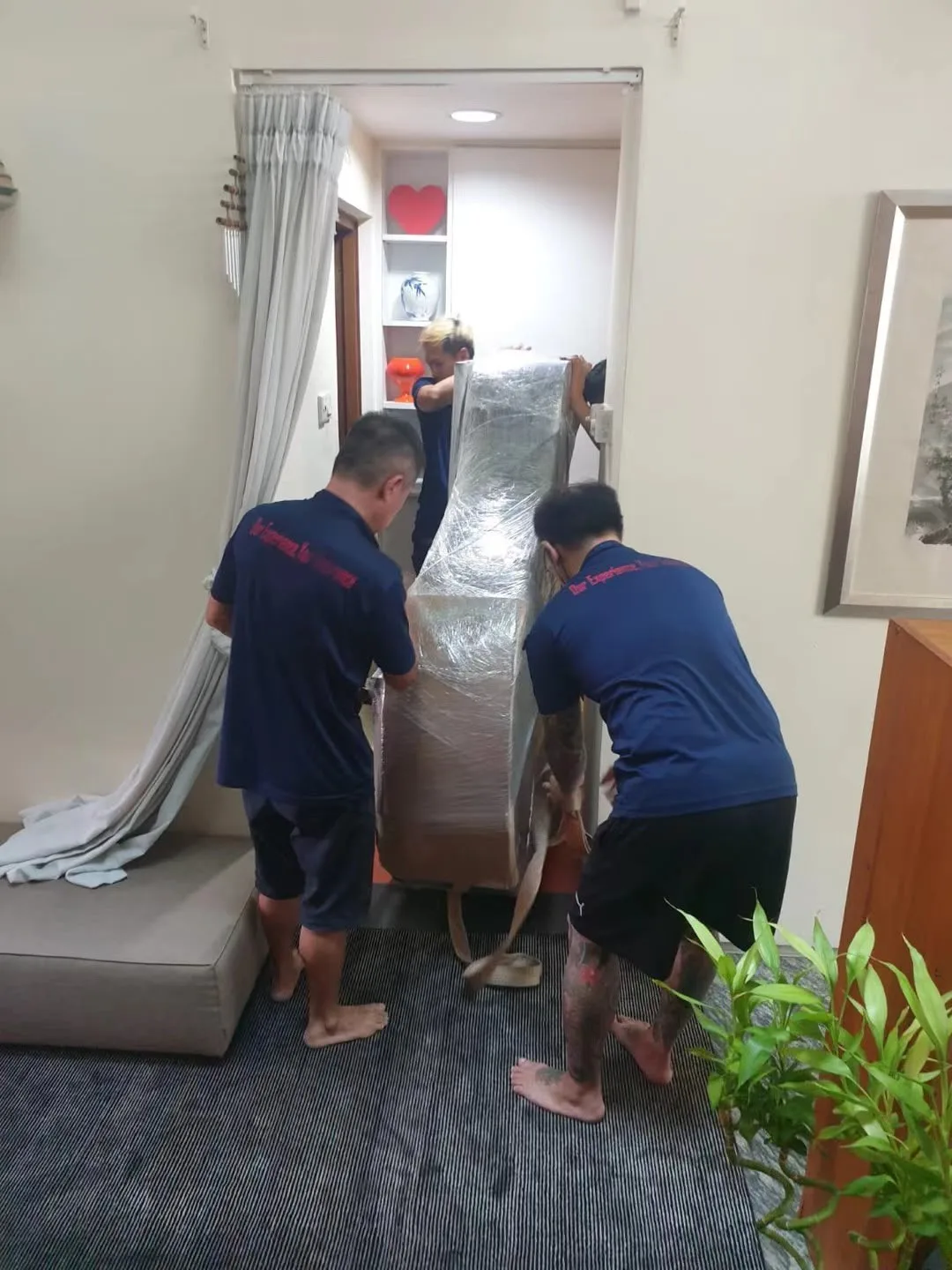
What to arrange with a piano mover, what access information to provide, and what to check after the move arrives.
Read the guide →Ownership guide · 2 minute read
Check the conditions in your own room, choose a position and plan tuning using manufacturer guidance.
Read the guide →Tuning guide · 2 minute read
How often a piano needs tuning, what the tuner checks, how to prepare the room, and what to ask when you book an appointment.
Read the guide →Maintenance guide · 3 minute read
What tuning, regulation and voicing each address, the signs that indicate each is needed, and what to ask a technician.
Read the guide →Owner’s guide · 2 minute read
What it means when piano keys stick or return slowly, the common causes in Singapore, what to observe and when to call a technician.
Read the guide →Owner's guide · 2 minute read
What to note when a piano makes sounds it should not: how to describe a buzz, rattle or tone change, safe external checks and when to call a technician.
Read the guide →Reference guide · 3 minute read
What A440 means, why a neglected piano drifts below concert pitch, what a pitch raise involves, and what to tell the technician or event provider.
Read the guide →Owner's guide · 3 minute read
What to note about a piano that has sat silent for years, when to call a technician, what not to do yourself, and how to book an assessment.
Read the guide →Owner's guide · 2 minute read
How to decide whether an older piano is worth repairing: what a technician should assess, how to compare costs and what the decision actually depends on.
Read the guide →Seller guide · 2 minute read
What to prepare, what to photograph, and how to compare outright sale, trade-in and consignment before deciding.
Read the guide →Ask it. The viewing gallery is open monday to sunday, 11am to 5pm, and a straight question gets a straight answer.